The San Marzano harvest has just begun. For the next fifty days, the tomato you’ll be
cooking with all winter is quietly being decided in a field you’ll probably never visit.
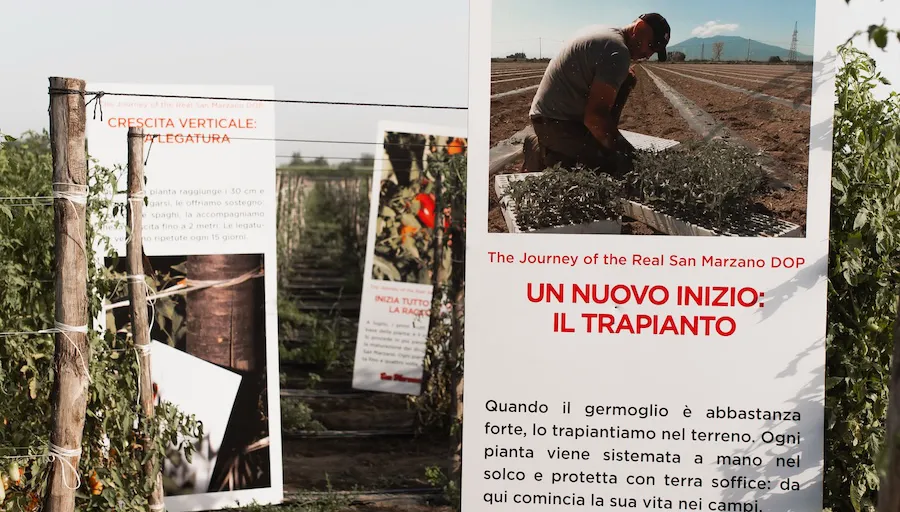
It’s started. In the Agro Sarnese-Nocerino the first crates are moving, and they’ll keep moving until the end of September. Fifty days, more or less. That’s the whole window — and it’s a genuinely lovely thing to watch, if you ever get the chance.
Here’s the part most kitchens never see: the fruit doesn’t ripen all at once. One plant will carry three different stages on the same morning. So the harvest isn’t a day, it’s four or five separate walks through the same rows, spread over weeks, each taking only what’s ready and leaving the rest to come on.
All of it by hand. The DOP rules ask for it, and the field rather agrees:
Then everybody hurries. Picked fruit reaches the line within a few hours, while the sugars are still exactly where you want them. That’s the real reason a San Marzano DOP turns up in the tin already in balance — sweet against sour, easy acidity, nothing left to correct. No sugar added later. No long reduction to build back a flavor that should have been there from the start.
The volcanic ground around Vesuvius gets most of the credit, and it has earned a good share of it. But soil is the constant — it’ll still be there next year. What really separates one harvest from the next is how many times somebody walked the rows, and how quickly the crates reached the plant. Which is a rather nice thought: your winter tomato is mostly a story about people paying attention in August. The growers say it better than we do.
So it’s worth reading the tin. Treat it as a vintage, the same way you already treat a flour harvest — because that’s exactly what it is.
1 · The DOP seal — the real designation, not „San Marzano type” or „in the style of.”
2 · The consortium number — traceable, and the quickest way to tell a real chain from a handsome label.
3 · The harvest year — worth noting which years your dough and your bake got along with.
4 · Whole and unbroken — if the fruit reached the plant quickly and intact, the tin will show it.
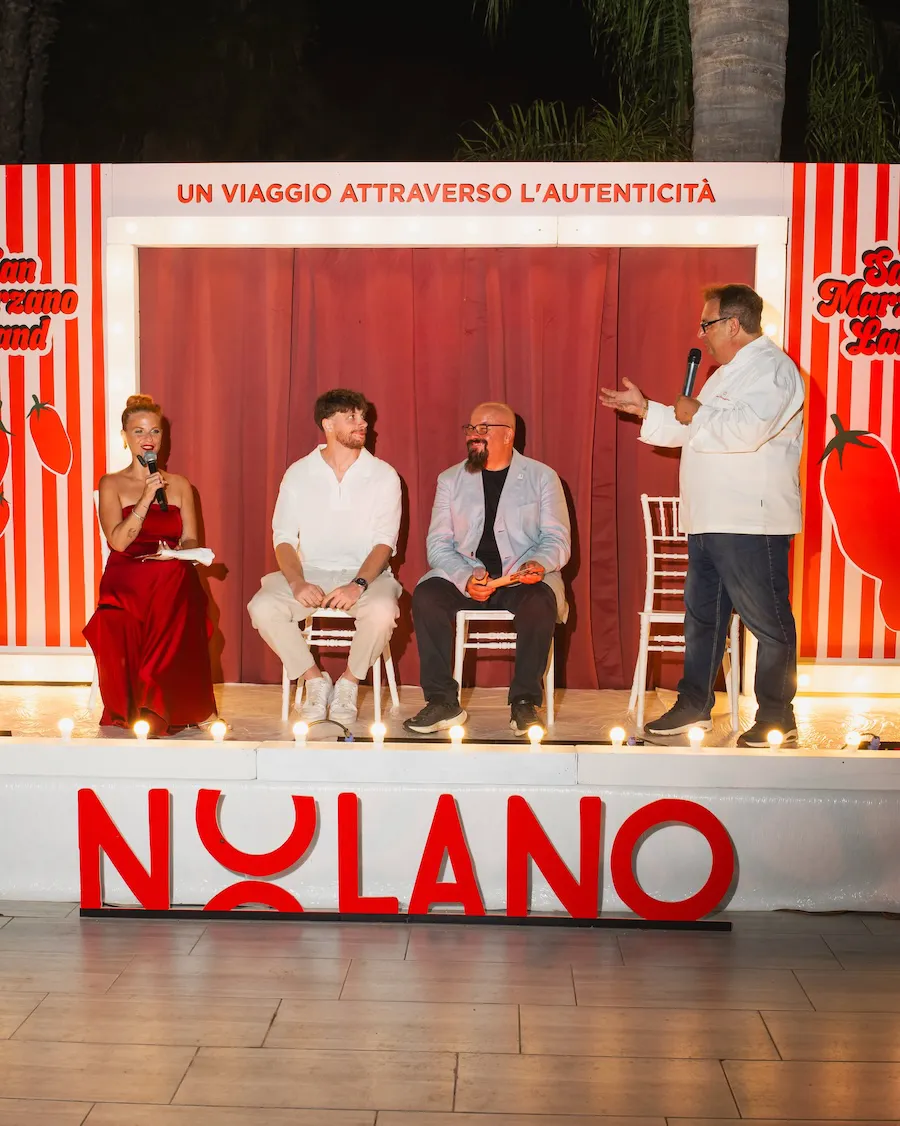
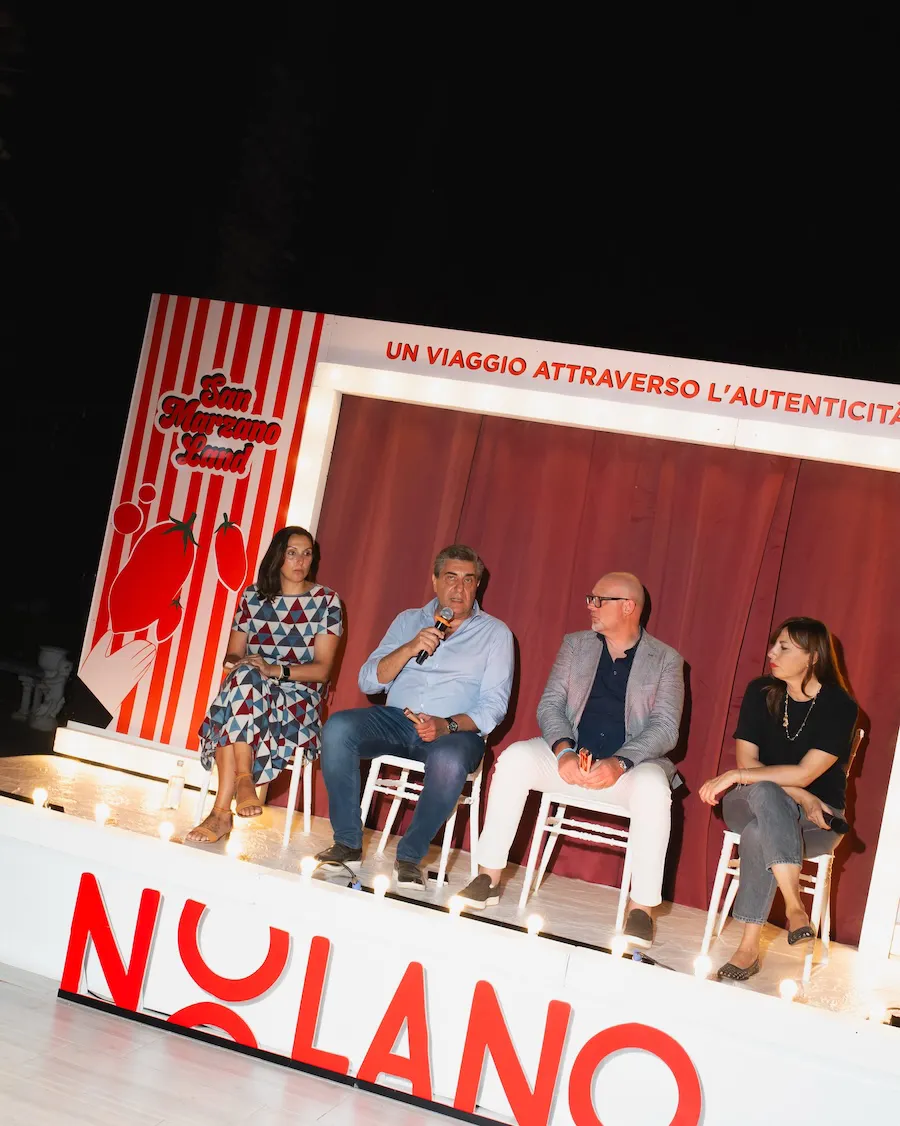
Nolano works the field, we work the room, and we tend to agree about most things. Three generations and sixty-odd years in the Agro Nolano, running the whole San Marzano DOP chain themselves — growing it, processing it, selling it — which is still the only way the letters on the tin mean very much by the time they reach a kitchen. Their line, and we won’t improve on it: don’t call it tomato, call it San Marzano DOP.
Their harvest is happening right now. Ours starts when it lands on a pizza.
THE BEST PIZZA AWARDS
We spend the year arguing about what makes a pizza worth traveling for. A lot of that argument starts here — in a crate, in August.
Milan 2026: 500+ guests · 300 pizza chefs · 200 press · 39 countries.